

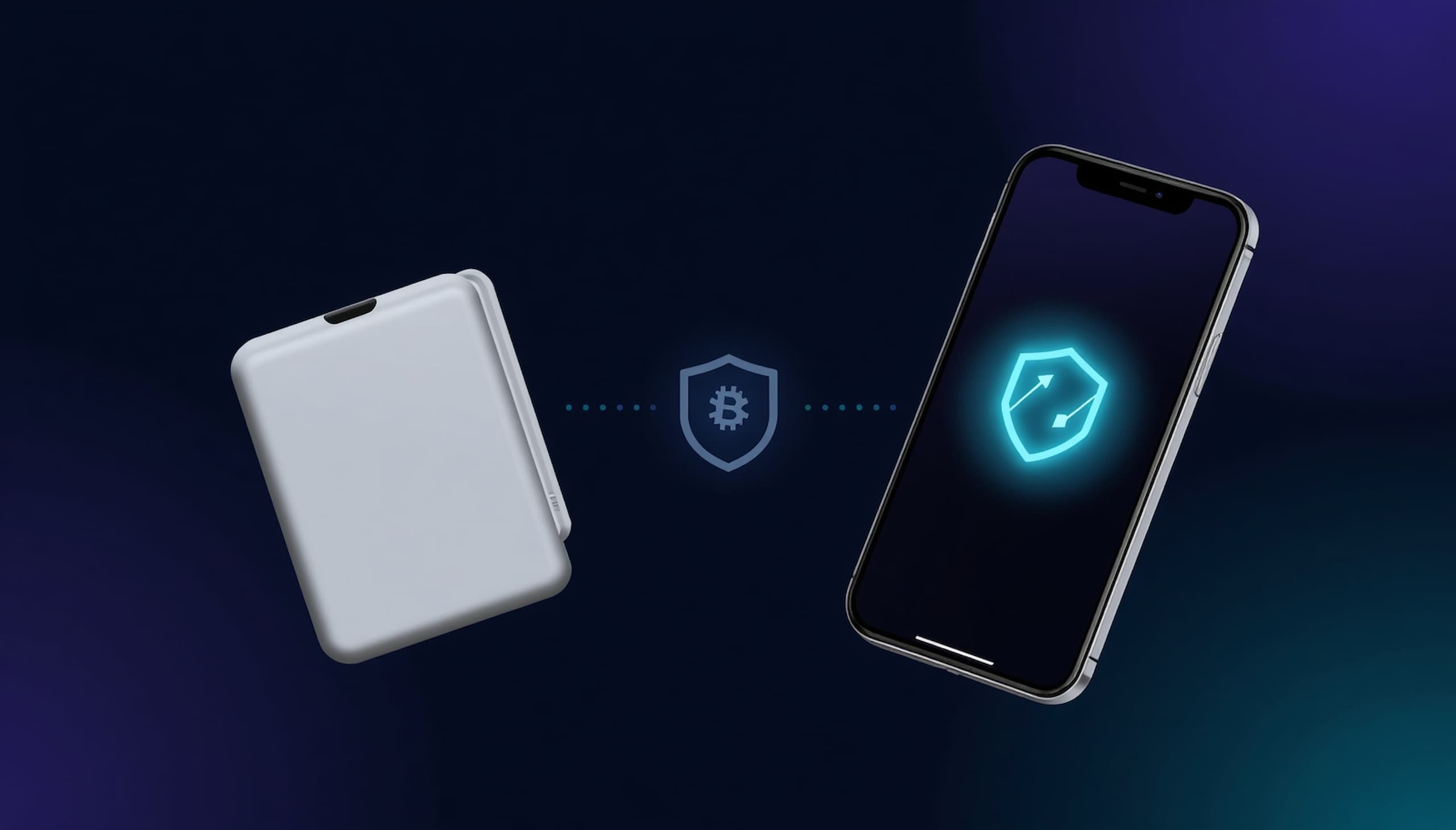
Hardware Wallet vs Software Wallet: Must Know Facts for 2026
Hardware wallet vs software wallet — this debate has become one of the most critical decisions any crypto holder can make in 2026. Crypto theft hit USD 3.4 billion in 2025, the worst year on record since 2022, with personal wallet compromises surging to 158,000 incidents affecting at least 80,000 unique victims (Chainalysis, 2026). In this guide, you will learn exactly how each wallet type works, where each one falls short on security, and how to build a storage strategy that protects your digital assets against today’s most sophisticated attacks.
What Is a Hardware Wallet and How Does It Work?
A hardware wallet is a physical device — typically costing between USD 50 and USD 250 — that stores your cryptocurrency private keys completely offline in a dedicated secure element chip. Because the private key never touches an internet-connected system, remote hackers have no digital pathway to steal it. Popular models in 2026 include the Ledger Flex, Trezor Safe 5, and BitBox02, all of which use secure element chips rated EAL5+ or EAL6+ — the same certification standard found in bank cards and passports (Ledger Academy, 2026).
When you send crypto using a hardware wallet, the transaction is signed inside the device itself. The signed transaction is then broadcast to the network, but your private key never leaves the chip. This means an attacker who fully controls your computer still cannot drain your wallet without physically possessing the device and knowing your PIN — a fundamental security advantage over any software-based alternative.
Hardware Wallet Security Architecture in 2026
Leading hardware wallet manufacturers have significantly upgraded their devices for 2026. The Trezor Safe 5 introduced EAL6+ secure element protection while maintaining fully open-source firmware, allowing independent security researchers to audit every line of code. The Ledger Flex modernized the user experience with an e-ink touchscreen while retaining Ledger’s certified Secure Element technology. These hardware advances directly respond to the growing threat landscape detailed in our Crypto and Web3 security coverage.
One emerging concern for hardware wallet users in 2026 is the rise of supply chain attacks — where malicious firmware is installed on devices before they reach the buyer. To counter this, reputable manufacturers now include tamper-evident packaging and cryptographic attestation that verifies firmware integrity on first setup. Purchasing only from official retailers or manufacturer websites remains the single most effective defense against this attack vector.
What Is a Software Wallet and How Does It Work?
A software wallet — also called a hot wallet — is a digital application that runs on your smartphone, desktop computer, or web browser. It stores your private keys on an internet-connected device, making it immediately accessible for transactions but permanently exposed to online threats. Popular software wallets in 2026 include MetaMask, Trust Wallet, Phantom, and Coinbase Wallet, all of which are free to download and use (The Block, 2026).
Software wallets are the primary gateway to Web3 applications, DeFi protocols, and NFT marketplaces because they connect directly to decentralized apps through browser extensions or mobile integrations. This connectivity is their core strength — and their most significant vulnerability. The same internet connection that lets you swap tokens on a DEX also gives malware, keyloggers, and phishing attackers a potential path to your private keys.
Software Wallet Vulnerabilities: Real-World Attacks
In December 2025, Trust Wallet users lost more than USD 7 million after attackers exploited a compromised Chrome browser extension update (CoinDesk, 2025). This incident is a textbook example of how software wallets can be compromised through the very ecosystem they depend on — browser extensions, app updates, and OS-level vulnerabilities all represent attack surfaces that hardware wallets simply do not share.
In 2025, impersonation scams targeting software wallet users surged 1,400% year over year, driven by AI-generated deepfake audio and video that convincingly impersonates trusted contacts to extract seed phrases (CoinDesk, 2026). Software wallets are especially exposed to this threat because they live on the same devices users communicate on — phones and laptops where a fake “support call” can lead directly to a compromised wallet. For broader context on digital fraud trends, see our Technology coverage.
Security Analysis: Hardware Wallet vs Software Wallet
The security gap between a hardware wallet vs software wallet comes down to one factor: attack surface. Hardware wallets maintain an air gap between your private keys and any potential attacker, eliminating the entire category of remote exploits that accounts for the majority of individual crypto theft. Software wallets, by contrast, exist inside internet-connected environments where malware, phishing, and remote exploits pose constant risks (Crypto Impact Hub, 2026).
The data makes this difference concrete. Personal wallet compromises grew from just 7.3% of total stolen crypto value in 2022 to 44% in 2024, with 158,000 incidents recorded in 2025 affecting 80,000 unique victims (Chainalysis, 2026). The overwhelming majority of these attacks targeted software wallets through browser extension exploits, malware, and social engineering — attack patterns that a hardware wallet’s air-gapped design prevents by default.
| Feature | Hardware Wallet | Software Wallet |
|---|---|---|
| Private Key Storage | Offline, secure element chip | On internet-connected device |
| Remote Hack Risk | Extremely low | High (malware, phishing, exploits) |
| Cost | USD 50 to USD 250 upfront | Free |
| DeFi and Web3 Access | Indirect (paired app required) | Native and seamless |
| Transaction Confirmation | Physical button press on device | On-screen approval only |
| Supply Chain Risk | Low if bought from official source | Extension or app update exploits |
| Best Use Case | Long-term storage of significant holdings | Daily transactions, DeFi, trading |
The Seed Phrase: The Hidden Risk Both Wallet Types Share
Whether you use a hardware wallet vs software wallet, your seed phrase — the 12 to 24 word recovery phrase generated at setup — is the master key to all your funds. Losing it means permanently losing access; exposing it to anyone means losing everything. In 2025, a high-profile incident showed a hardware wallet user being tricked by an attacker impersonating Trezor customer support into revealing their seed phrase, resulting in total fund loss despite using a premium hardware device (CoinTelegraph, 2026).
Security professionals universally agree: no legitimate wallet manufacturer, exchange, or support team will ever ask for your seed phrase. Store your seed phrase on metal backup plates offline, never in a digital photo, cloud service, or password manager. This single rule protects both hardware and software wallet users from the most common social engineering attacks documented in 2025 and 2026.
What Experts Are Saying About Hardware Wallet vs Software Wallet in 2026
Security researchers and industry analysts have reached a strong consensus on the hardware wallet vs software wallet debate for 2026: hardware wallets are the gold standard for securing significant crypto holdings, while software wallets remain essential tools for active trading and DeFi participation. The recommended strategy is not to choose one over the other — it is to use both in a deliberate, complementary way (Ledger Academy, 2026).
CoinDesk’s 2026 security analysis found that 2025’s record-breaking USD 3.4 billion in crypto losses were overwhelmingly driven by Web2-style failures — stolen passwords, social engineering, and compromised hot wallet infrastructure — rather than breaches of properly secured cold storage devices. This finding reinforces the view that hardware wallet adoption directly reduces personal theft risk, even as overall ecosystem threats intensify.
The Hybrid Strategy: Industry Standard for 2026
The approach most experienced crypto holders now use is a hybrid model: the majority of holdings in a hardware wallet for long-term cold storage, with a smaller portion in a software wallet for active use. This strategy gives you the air-gapped security of offline key storage for assets you do not need to move frequently, while keeping a working balance accessible for DeFi, trading, and everyday transactions. Our Business and Finance section covers broader portfolio strategies that complement this approach.
For users with substantial holdings, security experts in 2026 also recommend multi-signature (multi-sig) wallet configurations, which require approval from two or more separate keys before any transaction can be executed. This architecture means even a fully compromised software wallet or a stolen hardware device cannot move funds alone — a critical safeguard for anyone holding life-changing amounts of cryptocurrency.
Investment Considerations: Choosing Between a Hardware Wallet and Software Wallet
Choosing between a hardware wallet vs software wallet ultimately depends on three factors: how much crypto you hold, how frequently you transact, and how comfortable you are managing physical devices. For anyone holding more than USD 1,000 in digital assets — a threshold many security professionals cite informally — the USD 50 to USD 250 cost of a hardware wallet represents straightforward insurance against losses that could be catastrophic (Chainalysis, 2026).
Software wallets remain the right tool for active crypto users who trade daily, interact with DeFi protocols, or need fast access to funds on the go. The key mitigation is strict operational security: use a dedicated device for your software wallet if possible, keep browser extensions minimal, enable two-factor authentication via an authenticator app rather than SMS, and never store large amounts in a hot wallet long-term.
| Wallet | Type | Best For | Approx. Cost (USD) |
|---|---|---|---|
| Ledger Flex | Hardware | Long-term storage, multi-asset | 249 |
| Trezor Safe 5 | Hardware | Open-source security, Bitcoin focus | 169 |
| BitBox02 | Hardware | Minimalist, dual-chip security | 149 |
| MetaMask | Software | EVM DeFi, Web3 dApps | Free |
| Trust Wallet | Software | Multi-chain, mobile use | Free |
| Phantom | Software | Solana, high-speed trading | Free |
Quantum Computing: An Emerging Consideration for 2026
A new threat entered the hardware wallet vs software wallet conversation in April 2026: quantum computing. Independent researchers demonstrated successful quantum attacks on 15-bit elliptic curve keys, prompting wallet providers to accelerate development of quantum-safe address types. While Bitcoin’s 256-bit security remains far beyond current quantum capabilities, the 512x jump in quantum capability within a seven-month window has pushed leading wallets — both hardware and software — to begin offering migration paths to post-quantum signature schemes (Bitget Wallet, 2026).
Hardware wallets have a structural advantage here as well. Firmware updates to add quantum-resistant signing algorithms can be deployed to existing devices, meaning current hardware wallet owners who purchase from actively maintained manufacturers like Ledger and Trezor are positioned to adapt without replacing their devices. Software wallet users face the same transition, but through app updates that are automatically distributed — a faster rollout path but one that also reintroduces the update-exploit risk seen with the Trust Wallet Chrome extension incident.
Final Thoughts
The hardware wallet vs software wallet debate has a clear answer for 2026: use both, strategically. Hardware wallets deliver offline key security that eliminates the entire category of remote attacks responsible for the vast majority of personal crypto theft. Software wallets deliver the connectivity and speed that active DeFi and trading requires. With USD 3.4 billion stolen from crypto users in 2025, treating wallet security as an afterthought is no longer an option — explore more security strategies in our Crypto and Web3 hub and stay updated through our Technology section.
What Do You Think?
Are you team hardware wallet, software wallet, or both? Drop your wallet setup in the comments below — we read every response and your experience helps other readers make smarter security decisions. Share this article with anyone who still keeps their crypto on an exchange.
Frequently Asked Questions
Is a hardware wallet vs software wallet worth it for small crypto holdings?
For holdings under USD 200-300, a software wallet with strong security hygiene — two-factor authentication, a dedicated device, and minimal browser extensions — may be sufficient. However, as your holdings grow, a hardware wallet vs software wallet comparison quickly favors cold storage: entry-level hardware wallets start at around USD 50, a small one-time cost compared to the USD 713 million stolen from individual wallets in 2025 alone (Chainalysis, 2026).
Can a hardware wallet be hacked?
A hardware wallet cannot be remotely hacked because the private key never exists on an internet-connected system. However, physical attacks — if an attacker has the device and your PIN — are theoretically possible on some older models. The more realistic risk is social engineering: in 2025, a hardware wallet user lost all funds after being tricked into revealing their seed phrase to a fake support agent impersonating Trezor (CoinTelegraph, 2026). The device itself was secure; the seed phrase was not.
What is the safest software wallet in 2026?
No software wallet is as secure as a hardware wallet vs software wallet comparison reveals, but among hot wallets in 2026, MetaMask, Phantom, and Coinbase Wallet score highest for security architecture, regular audits, and code transparency according to The Block’s 2026 editor-tested rankings. Any software wallet becomes significantly safer when paired with a hardware wallet as a signing device, combining hot wallet convenience with cold storage security.
Should I use a hardware wallet and software wallet at the same time?
Yes — the hybrid hardware wallet vs software wallet approach is the industry standard for 2026. Security professionals recommend keeping 80-90% of holdings in cold storage on a hardware wallet, while maintaining a smaller balance in a software wallet for active transactions, DeFi, and trading. This strategy gives you air-gapped protection for your core holdings without sacrificing the speed and connectivity needed for daily crypto activity.
References
- CoinDesk — Crypto’s Worst Year for Hacks Wasn’t a Smart Contract Problem — It Was a People Problem (2026)
- CoinDesk — Trust Wallet Users Lose More Than USD 7 Million to Hacked Chrome Extension (2025)
- CoinTelegraph — Crypto Losses Reach USD 3.4B in 2025: Chainalysis Report
- CoinTelegraph — 80% of Hacked Crypto Projects Never Fully Recover, Expert Warns (2026)
- Chainalysis — 2025 Crypto Theft Reaches USD 3.4 Billion: Annual Report (2026)
- The Block — Best Crypto Wallets in 2026: Editor-Tested Rankings