

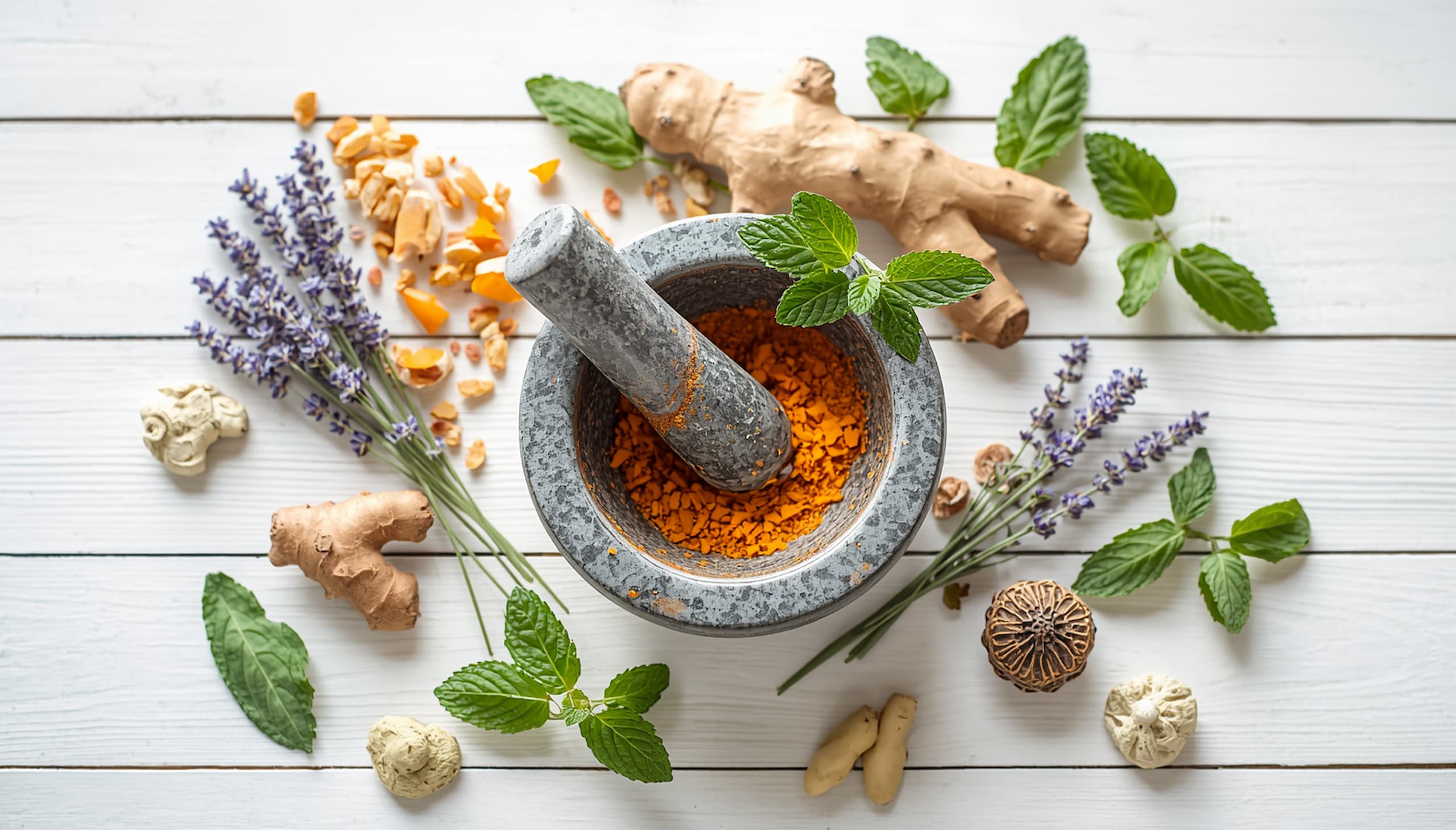
Medicinal Herbs: Proven Benefits, Risks & What Science Says
Medicinal herbs are no longer confined to folk tradition—the global herbal medicine market is now valued at USD 271.1 billion in 2026, according to Fortune Business Insights, and it shows no sign of slowing. With roughly 80% of the world’s population relying on herbal remedies as a primary healthcare tool (WHO, 2026), the stakes for getting this right have never been higher. This article walks you through the best-supported benefits, real-world risks, and the scientific evidence behind today’s most popular medicinal herbs—so you can make informed choices for your health.
Key Benefits and Risks of Medicinal Herbs
The appeal of medicinal herbs is undeniable. A 2026 literature review published in the journal Nutrients found that common culinary herbs—including rosemary, sage, thyme, and oregano—demonstrated measurable anti-inflammatory effects at daily doses of approximately 3 grams per herb (Nutrients, 2026). That is roughly one tablespoon of fresh herb per day, making therapeutic doses highly accessible for most people. These findings point to a growing body of evidence that medicinal herbs carry genuine physiological effects, not simply placebo responses.
At the same time, the risks deserve equal attention. Herb-drug interactions remain one of the most underreported safety concerns in integrative medicine. Garlic, for example, can increase bleeding risk and should not be combined with blood-thinning medications like warfarin (URMC, 2026). St. John’s Wort—widely used for mild depression—can interfere dangerously with antidepressants, birth control pills, and HIV medications. Understanding both sides of the equation is essential before adding any medicinal herb to your routine.
Most Commonly Used Medicinal Herbs in the US
A 2020 national survey found that 71% of US adults used herbal supplements to support their health and well-being (media.market.us, 2026). Echinacea, garlic, ginger, turmeric, and valerian consistently top the list of most-purchased botanical supplements. Each of these medicinal herbs has a distinct evidence profile—some with strong clinical backing, others with limited or mixed research results. For a broader look at complementary health strategies, visit our Health section for up-to-date guides.
Consumer interest continues to skew younger. Among millennials in the US, approximately 32.6% report using herbal medicine, slightly above the 30.5% usage rate recorded among Generation X (media.market.us, 2026). This generational shift is driving significant product innovation and pushing regulators to establish clearer safety frameworks for botanical products sold as dietary supplements.
| Potential Benefit | Potential Risk | Evidence Level |
|---|---|---|
| Ginger: reduces nausea and morning sickness | May cause bloating, gas, or heartburn | Strong |
| Garlic: cardiovascular and cholesterol support | Increases bleeding risk with anticoagulants | Moderate |
| Turmeric: anti-inflammatory and joint pain relief | Linked to liver injury in high-dose supplement form | Moderate |
| Echinacea: mild immune support during colds | Allergic reactions possible, especially in children | Moderate |
| St. John’s Wort: relief of mild to moderate depression | Dangerous interactions with many prescription drugs | Moderate |
| Peppermint oil: relief of irritable bowel syndrome symptoms | Not recommended for young children orally | Strong |
Scientific Evidence Behind Popular Medicinal Herbs
When evaluating medicinal herbs, the quality of evidence varies dramatically from one plant to another. Over 70,000 research articles on herbal medicine have been published in the past five years alone, reflecting an explosion of scientific interest (media.market.us, 2026). Yet quantity does not equal quality—many studies are small, short-term, or lack proper control groups. The National Center for Complementary and Integrative Health (NCCIH), part of the US National Institutes of Health, provides one of the most reliable clearinghouses for evaluating this evidence.
Turmeric (curcumin) is among the most heavily researched medicinal herbs, with over 13,000 scientific articles examining its therapeutic properties (media.market.us, 2026). Clinical trials confirm turmeric can reduce pain in knee osteoarthritis at moderate doses, but the NCCIH cautions that evidence for preventing dementia or Alzheimer’s disease remains insufficient. High-dose turmeric supplementation has also been linked to liver injury in a Drug-Induced Liver Injury Network (DILIN) case series (NIH NCCIH, 2025).
Medicinal Herbs With the Strongest Clinical Track Records
Ginger leads the evidence rankings for nausea. Multiple clinical studies confirm its effectiveness for pregnancy-related morning sickness, post-chemotherapy nausea, and motion sickness (NIH NCCIH, 2026). It also carries potent anti-inflammatory and antioxidant properties that researchers are still actively studying. Peppermint oil holds similarly strong clinical backing: controlled trials have demonstrated its efficacy specifically for irritable bowel syndrome (IBS), making it one of the few medicinal herbs with a consistent, reproducible clinical signal. For readers exploring evidence-based wellness options, our Lifestyle section covers complementary approaches to everyday health.
Echinacea occupies a more nuanced position. The NCCIH notes that recent research suggests the activity of echinacea extracts is significantly influenced by soil conditions that shape the plant’s bacterial community—meaning product quality varies widely across brands. Short-term use of E. purpurea extracts is generally considered safe for most adults, though some individuals experience allergic reactions, and rare cases have been severe (NIH NCCIH, 2026). The takeaway: source and preparation matter just as much as the herb itself when choosing medicinal herbs.
| Herb | Best-Supported Use | Key Caution | FDA Status |
|---|---|---|---|
| Ginger | Nausea, motion sickness, anti-inflammatory | May cause heartburn at high doses | Generally recognized as safe (GRAS) |
| Turmeric | Osteoarthritis pain, inflammation reduction | Liver injury risk with high-dose supplements | GRAS as a spice; supplement doses unregulated |
| Echinacea | Short-term immune support | Allergic reactions; quality varies by product | Sold as dietary supplement |
| Garlic | Cardiovascular support, antimicrobial | Increased bleeding risk; avoid before surgery | GRAS as food; supplement use varies |
| St. John’s Wort | Mild to moderate depression | Dangerous interactions with many prescription drugs | Sold as dietary supplement; not approved as drug |
When to See a Doctor Before Using Medicinal Herbs
Despite their natural origins, medicinal herbs can cause real harm in certain populations. Healthcare providers at institutions including URMC and Mayo Clinic consistently emphasize one rule above all: always disclose any herbal supplement use to your doctor or pharmacist. This matters because herb-drug interactions can be clinically significant—ginkgo biloba combined with warfarin, for example, has been associated with major bleeding events in a large chart review of over 807,000 patients (PMC/NIH, 2022). That is not a theoretical risk; it is a documented, potentially life-threatening one.
Several specific situations require professional consultation before using medicinal herbs. If you are pregnant or breastfeeding, many herbs that appear benign—including certain doses of licorice root and blue cohosh—have not been proven safe for fetuses or infants. People with autoimmune conditions should approach immune-stimulating herbs like echinacea cautiously, and anyone scheduled for surgery should stop most herbal supplements at least two weeks beforehand to reduce bleeding and anesthesia interaction risks (URMC, 2026).
High-Risk Groups Who Must Consult a Provider First
Children represent a particularly vulnerable population. While some pediatric studies on echinacea exist, a clinical trial found that children using echinacea developed rashes at a higher rate, and the NCCIH notes that severe allergic reactions are possible in young patients (NIH NCCIH, 2026). Parents should never substitute medicinal herbs for proven pediatric treatments without physician guidance.
Older adults on multiple medications face a compounded risk from herb-drug interactions. Commonly prescribed drugs for heart disease, diabetes, and depression each carry a risk of interaction with popular botanical supplements. The FDA currently classifies medicinal herbs sold as dietary supplements under a different regulatory framework than pharmaceuticals—meaning they are not tested for safety and efficacy before reaching store shelves. This regulatory gap makes professional medical guidance especially critical for older or medically complex patients who want to explore herbal remedies.
Final Thoughts
Medicinal herbs hold genuine promise—but they deserve the same critical scrutiny we apply to any health intervention. The strongest takeaway from the current body of research is this: a handful of medicinal herbs, including ginger, peppermint oil, and garlic, have solid clinical evidence behind specific applications, while many others remain understudied or carry overlooked risks. As the herbal medicine market grows toward USD 271 billion in 2026, consumers deserve accurate, evidence-based information to navigate their choices. Explore more science-backed strategies in our Health section and our Lifestyle guides to build a well-rounded approach to your well-being.
What Do You Think?
Have you used medicinal herbs as part of your health routine? Share your experience in the comments below—we’d love to hear what has worked for you and what hasn’t. If you found this guide helpful, share it with someone who could use clearer answers about herbal remedies.
Frequently Asked Questions
What are the most effective medicinal herbs backed by science?
Among medicinal herbs with the strongest scientific support, ginger stands out for its well-documented ability to reduce nausea from pregnancy, chemotherapy, and motion sickness (NIH NCCIH, 2026). Peppermint oil has demonstrated clinical efficacy for irritable bowel syndrome in controlled trials. Garlic shows consistent cardiovascular benefits, and St. John’s Wort has moderate evidence for mild to moderate depression. Always discuss these options with your healthcare provider before starting use.
Can medicinal herbs interact with prescription medications?
Yes—and this is one of the most critical safety concerns with medicinal herbs. St. John’s Wort is known to reduce the effectiveness of antidepressants, birth control, and HIV drugs. Ginkgo biloba combined with warfarin was associated with increased major bleeding events in a large review of over 807,000 patient records (PMC/NIH, 2022). Garlic and turmeric also carry interaction risks. Always inform your pharmacist and doctor about every herbal supplement you take, without exception.
Are medicinal herbs regulated by the FDA?
Medicinal herbs sold as dietary supplements in the US are regulated by the FDA under a different—and significantly less stringent—framework than pharmaceutical drugs. Manufacturers are not required to prove safety or effectiveness before a product reaches the market. The FDA can only take action after a supplement is shown to cause harm. For this reason, choosing products from brands that use third-party testing (such as USP or NSF certification) is a meaningful way to improve the quality and safety of the medicinal herbs you purchase.
How much turmeric should I take for anti-inflammatory benefits?
Turmeric is one of the most researched medicinal herbs for inflammation, with over 13,000 published studies on its active compound curcumin (media.market.us, 2026). Clinical trials on knee osteoarthritis have used doses ranging from 500 mg to 1,500 mg of curcumin daily, often combined with piperine (black pepper) to improve absorption. However, the NIH NCCIH warns that high-dose turmeric supplementation has been linked to liver injury. Start at a low dose and consult your doctor to determine a safe amount for your individual health situation.
References
- NIH — National Center for Complementary and Integrative Health — Herbs at a Glance
- NIH NCCIH — Turmeric: Usefulness and Safety
- NIH NCCIH — Echinacea: Usefulness and Safety
- URMC Rochester — A Guide to Common Medicinal Herbs
- PMC / NIH — Dietary Supplements and Bleeding Risk
- Fortune Business Insights — Herbal Medicine Market Size, Share and Global Forecast
- National Geographic — The Surprising Health Benefits of Everyday Herbs